

State Housing Laws & Local Housing Projects
- Why these projects can't simply be denied
- Key documents
- What's happening in other California cities
- Why doesn't City Council vote on these projects?
- What is the City doing?
- Why the City can't stop or redesign a qualifying project
- What Covina can and cannot do
- What happens if the City unlawfully stops a project?
- Frequently asked questions
State Housing Laws & Local Housing Projects
Recent state housing laws have significantly limited the City’s discretion to deny or modify qualifying affordable housing projects, including three currently proposed in and around Covina. This page explains which state laws are driving these changes, why local objections often aren’t legally sufficient grounds for denial, and what steps Covina is taking to advocate for greater local control.
Current Proposed Projects
These are the three affordable housing proposals residents have been asking the City about.
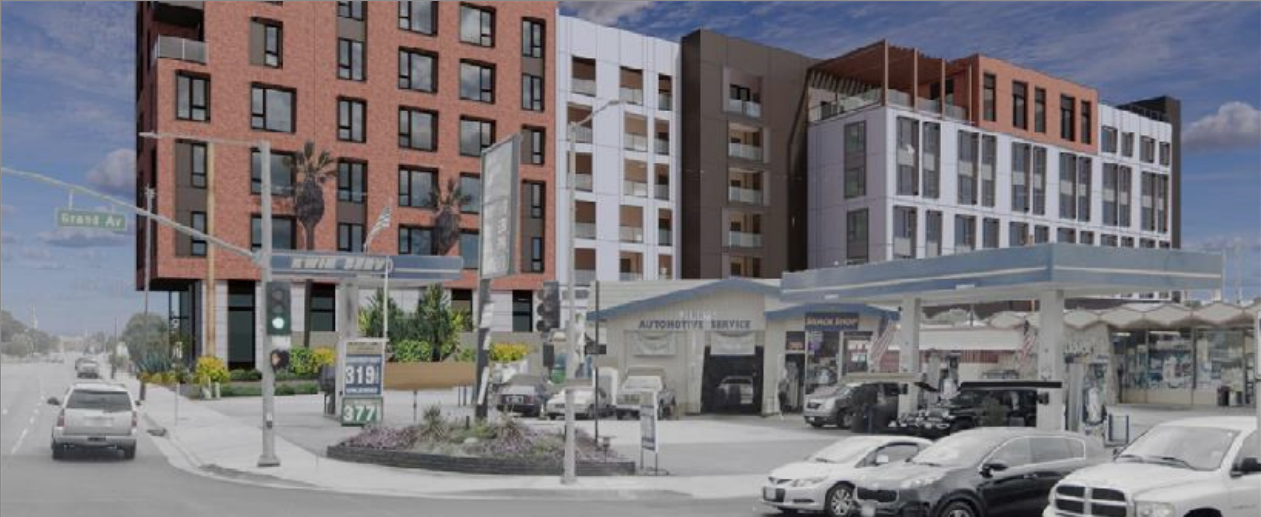
Saffron Covina
19516 E. Cypress St. · Los Angeles County jurisdiction — outside Covina city limits
affordable units
stories
land-use authority
Applicable law: Density Bonus Law (unincorporated LA County)
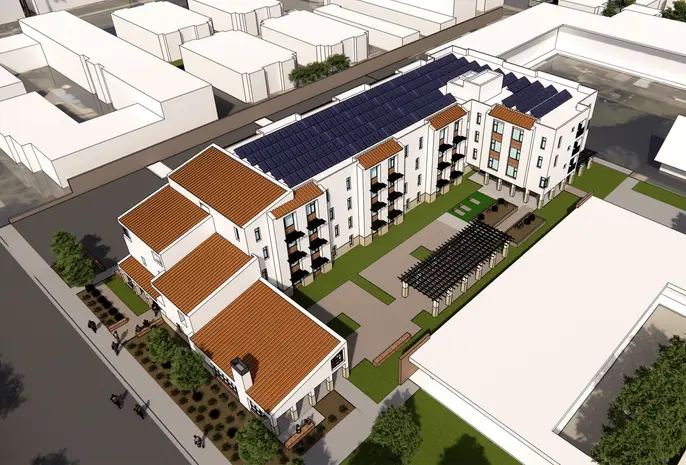
Covina United Methodist Church Affordable Housing
437 W. San Bernardino Rd. · City of Covina jurisdiction
affordable units
floors / ~46 ft.
parking spaces
Applicable law: SB 4 (Faith & Higher Eds Act) + Density Bonus Law
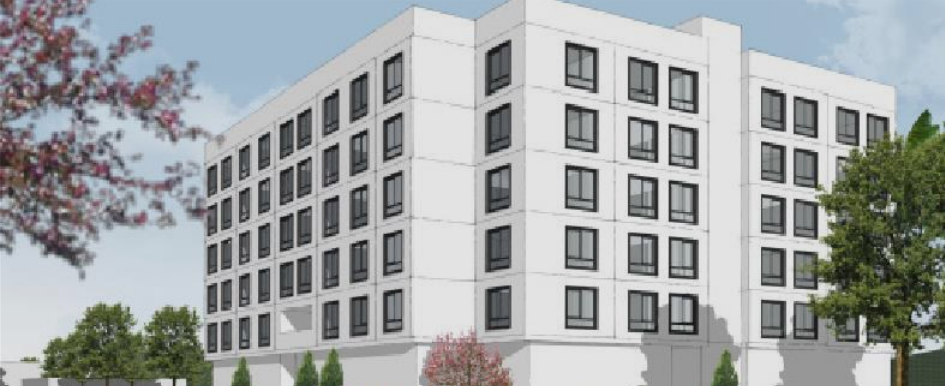
State Affordable Senior Housing
233 N. Second Ave. · State of California jurisdiction
affordable senior units
floors / ~46 ft.
parking spaces
Applicable law: State Excess Sites Program (Executive Order N-06-19)
WHY THESE PROJECTS CAN'T SIMPLY BE DENIED
State law now removes local discretion once a housing project meets certain objective standards, that’s the single most important fact for residents to understand.
AB 130 — the CEQA trigger
On June 30, 2025, budget trailer bills AB 130 and SB 131 took effect immediately. Under AB 130, enacted as part of California’s housing streamlining efforts, specific housing projects that meet state-defined criteria are exempt from CEQA (California Environmental Quality Act) review. This includes projects that fall within the following:
- Site is 20 acres or less, within an incorporated municipality/urban area
- Site was previously developed with urban uses or is surrounded by them
- Project meets local zoning, general plan & density bonus standards
- At least half the density required for lower-income housing (Gov. Code §65583.2(c)(3)(B))
- No demolition of a registered historic structure
- No hotel/motel/B&B use (for post-1/1/25 applications)
- Meets SB 35 site-eligibility exclusions (farmland, wetlands, hazard zones, etc.)
Consequences if a city denies anyway
- Builder's Remedy: non-certified Housing Element = developers can bypass zoning
- Financial penalties: $10,000/unit minimum; $10K– $100K/month noncompliance fines, tripled after 3 months, 6x after 6 months
- Legal fees: city can be ordered to pay developer's/ state's attorney fees
- Loss of permitting authority: courts can hand land use decisions to a court-appointed agent
- State enforcement: HCD's Housing Accountability Unit & CA Attorney General can sue directly
WHY THE CITY CANNOT SIMPLY STOP OR REDESIGN A QUALIFYING PROJECT
State law has narrowed local discretion — it has not eliminated the City’s duty to review eligibility, enforce objective standards, and protect health and safety.
Objective standards, not subjective preferences: Covina may apply standards that are measurable and verifiable — a stated setback, height limit, or building-code requirement — unless State law grants a waiver or otherwise preempts that standard. General objections that a project is too dense, doesn’t fit neighborhood character, may affect views, or should provide more parking usually are not, by themselves, lawful grounds to deny a qualifying housing development.
| STATE LAW | WHAT THE LAW DOES | PRACTICAL EFFECT FOR COVINA |
|---|---|---|
|
Housing
Accountability
Act (HAA) |
Limits denial or density reduction when a
project complies with applicable objective
general-plan, zoning and subdivision
standards. |
Denial generally requires written findings of a
specific, adverse public-health or safety impact that
cannot feasibly be mitigated; community opposition
or generalized traffic concerns do not replace that
evidence |
|
SB 330 /
Housing Crisis
Act |
A complete preliminary application generally
locks in the ordinances, policies, and
standards in effect when submitted, and
limits the number of hearings.
|
The City generally cannot change the rules after filing
to reduce units, height, or development capacity for
that application.
|
|
SB 4 — Faith
and Higher
Education
Lands |
Requires ministerial approval of qualifying
100% affordable housing on eligible land
owned by a religious institution or nonprofit
college.
|
A qualifying project does not require a discretionary
conditional-use permit and is not denied based on
subjective neighborhood compatibility.
|
|
Density Bonus
Law & AB 2097 |
Density Bonus Law provides added units,
concessions, and waivers; AB 2097
generally prohibits minimum parking
requirements within ½ mile of a major transit
stop.
|
The City may be unable to require fewer units, a
smaller envelope, or more parking where State
entitlements or waivers apply.
|
|
AB 130 & SB
131 — CEQA
Streamlining |
AB 130 created a CEQA exemption for
qualifying urban infill housing; SB 131 limits
review for certain projects that miss an
exemption on only one disqualifying
condition. |
If a project qualifies for an exemption or is ministerial,
the City cannot require a traditional EIR merely to
delay or reconsider the project.
|
KEY DOCUMENTS
Press Release
Local Affordable Housing Projects Highlight Limits of Covina’s Authority Under State Housing Law
Staff Report
Staff report to Council summarizing the projects, applicable state law, and City position
Mayor Delgado's Letter to Governor Newsom
Letter urging the State to reassess the cumulative impact of recent housing legislation
PPT Presentation
NOT JUST COVINA — WHAT'S HAPPENED IN OTHER CALIFORNIA CITIES
Cities across California that have tried to deny or delay qualifying housing projects have faced court orders, bonds, and multimillion-dollar settlements. Covina is working to avoid that same fate.
| CITY | WHAT HAPPENED | OUTCOME |
|---|---|---|
|
Berkeley |
Denied an SB 35 permit for a
260-unit, 50% affordable project |
Court-ordered approval; $2.6M state fine + $1.4M developer
legal fees (some accounts cite up to $15M bond / land
transfer)
|
|
Beverly Hills |
Failed to adopt a state-certified
Housing Element |
Court blocked nearly all permits except housing; opened door
to towers taller than local zoning |
|
La Cañada
Flintridge |
Resisted 80-unit apartment
proposal (Builder’s Remedy) |
Judge ordered approval, plus bond and millions in fees |
|
Los Altos |
Appealed a denied 15-unit
project
|
$7M bond + $1.2M settlement |
|
San Mateo |
Denied a 10-unit condo project
via subjective standards |
$450K in fees, project ultimately approved |
|
Los Gatos |
Rejected a 320-unit project
(Eden Housing)
|
Forced reconsideration / approval |
|
Oakland |
Reduced unit count on an
approved project (Sequoyah
Hills) |
Court upheld the original, higher unit count
|
|
Stanislaus
County |
Denied a subdivision over a
water-stub issue (Honchariw)
|
Appeals court reversed the denial
|
Key takeaway: These mandates come from the State of California, not local government. Sacramento sets each city’s required housing numbers and enforces compliance through law and penalties — Covina is one of dozens of cities navigating the same constraints.
Why Doesn’t the City Council Vote on These Projects?
These projects involve three different legal and jurisdictional circumstances. In each case, the City’s traditional discretionary authority is limited or does not apply.
| PROJECT | RESTRICTED LOCAL CONTROL |
|---|---|
|
Methodist Church
Project |
Located in Covina, but proposed under state housing laws — including SB 4 — that can require
streamlined ministerial review. |
|
State Senior
Housing
|
Located in Covina, but on State-owned land being developed under State authority. Covina is not
the land-use approval authority. |
|
Saffron Covina |
Not located within Covina. The property is in unincorporated Los Angeles County and falls under
County jurisdiction. |
What Is the City Doing?
Even when state law limits the City’s decision-making authority, Covina remains committed to representing the interests of its residents. The City will:
- Provide residents with accurate and timely information about projects that may affect the community
- Clearly identify which governmental agency has authority over each project
- Review projects within the City’s jurisdiction for compliance with applicable objective standards and building, fire, engineering, and public-safety requirements
- Communicate community concerns to State, County, and other responsible agencies when the City does not have decision-making authority
- Advocate for meaningful community outreach by project developers and responsible agencies
- Continue advocating for state housing policies that preserve appropriate opportunities for local input while complying with California law
WHY THE CITY CANNOT SIMPLY STOP OR REDESIGN A QUALIFYING PROJECT
State law has narrowed local discretion — it has not eliminated the City’s duty to review eligibility, enforce objective standards, and protect health and safety.
Objective standards, not subjective preferences: Covina may apply standards that are measurable and verifiable — a stated setback, height limit, or building-code requirement — unless State law grants a waiver or otherwise preempts that standard. General objections that a project is too dense, doesn’t fit neighborhood character, may affect views, or should provide more parking usually are not, by themselves, lawful grounds to deny a qualifying housing development.
| STATE LAW | WHAT THE LAW DOES | PRACTICAL EFFECT FOR COVINA |
|---|---|---|
|
Housing
Accountability
Act (HAA) |
Limits denial or density reduction when a
project complies with applicable objective
general-plan, zoning and subdivision
standards. |
Denial generally requires written findings of a
specific, adverse public-health or safety impact that
cannot feasibly be mitigated; community opposition
or generalized traffic concerns do not replace that
evidence |
|
SB 330 /
Housing Crisis
Act |
A complete preliminary application generally
locks in the ordinances, policies, and
standards in effect when submitted, and
limits the number of hearings.
|
The City generally cannot change the rules after filing
to reduce units, height, or development capacity for
that application.
|
|
SB 4 — Faith
and Higher
Education
Lands |
Requires ministerial approval of qualifying
100% affordable housing on eligible land
owned by a religious institution or nonprofit
college.
|
A qualifying project does not require a discretionary
conditional-use permit and is not denied based on
subjective neighborhood compatibility.
|
|
Density Bonus
Law & AB 2097 |
Density Bonus Law provides added units,
concessions, and waivers; AB 2097
generally prohibits minimum parking
requirements within ½ mile of a major transit
stop.
|
The City may be unable to require fewer units, a
smaller envelope, or more parking where State
entitlements or waivers apply.
|
|
AB 130 & SB
131 — CEQA
Streamlining |
AB 130 created a CEQA exemption for
qualifying urban infill housing; SB 131 limits
review for certain projects that miss an
exemption on only one disqualifying
condition. |
If a project qualifies for an exemption or is ministerial,
the City cannot require a traditional EIR merely to
delay or reconsider the project.
|
WHAT COVINA CAN — AND GENERALLY CANNOT — DO
What Covina Can Still Do
- Verify eligibility - confirm the applicant meets every requirement of the State pathway it invokes
- Apply objective standards - enforce lawful, written, measurable standards not waived or preempted.
- Protect safety - apply building, fire, accessibility, engineering, and right-of-way requirements
- Inspect and enforce - review plans, issue applicable permits, inspect construction for compliance
- Inform and advocate - provide accurate information, relay concerns, seek legislative reform
What Covina Generally Cannot Do
- Use subjective standards - deny or shrink a project for being “too tall” or out of character.
- Change rules midstream - adopt new restrictions after an SB 330 application to stop or shrink it.
- Restore preempted parking rules - require parking that State law prohibits or a waiver removes.
- Demand discretionary CEQA review - require an EIR when a project is ministerial or exempt.
- Decide outside its jurisdiction - act on County or State-owned property.
The likely result is not that the project disappears. The City may lose the case, pay substantial costs, and still be ordered to approve or process the same project.
That statutory fine is only one part of the risk. The City may also face its own defense costs, the prevailing party’s attorney fees, settlement obligations, staff and consultant costs, higher penalties for continued or bad-faith noncompliance, and an appeal bond. In 2024, La Cañada Flintridge was ordered to post a $14 million appeal bond or dismiss its Builder’s Remedy appeal; it dismissed the appeal. Taxpayers can bear substantial costs while the project is still processed or approved.
Builder’s Remedy — an important distinction: A single unlawful project denial does not automatically activate Builder’s Remedy. It applies when a city does not have a substantially compliant Housing Element, and can prevent the city from denying certain qualifying housing projects for inconsistency with local zoning or
land-use designations.
Why compliance still matters to Covina: HCD found Covina’s Sixth-Cycle Housing Element in substantial compliance on February 29, 2024. Maintaining that status is essential — serious or continuing housing-law violations can lead to HCD enforcement, referral to the Attorney General, and potential threats to certification, increasing the risk of Builder’s Remedy applications.
Frequently Asked Questions
Can the City deny a project because many residents oppose it?
Not if the project qualifies for a State-mandated pathway and complies with applicable objective standards. Public concern is important, but opposition alone is not a lawful finding for denial.
Can Covina require fewer units, less height, or more parking?
Only when an applicable objective standard remains enforceable. Density Bonus Law, SB 4, AB 2097 and other statutes may override or require waivers from local density, dimensional, or parking standards.
Can traffic or safety concerns ever matter?
Yes, when supported by objective evidence and an applicable standard. Under the HAA, denial generally requires a specific, adverse public-health or safety impact that cannot feasibly be mitigated — a much higher bar than generalized concern.
Can the City require a full Environmental Impact Report?
Only when CEQA applies and no exemption or ministerial pathway controls. SB 4 and AB 130 can remove traditional CEQA review for qualifying projects; SB 131 can narrow the scope of review in specified cases.
Does this mean the City is doing nothing?
Where should residents direct comments?
Legal references: Government Code §§ 65589.5, 65913.16, 65915–65918, 65863.2, 65941.1; Public Resources Code § 21080.66. This public-information draft is not legal advice and should be reviewed by the City Attorney before publication.